Category Archives: Duct Tape Marketing Podcast

Auto Added by WPeMatico

How AI Is Changing Trust, Content, and Customer Relationships

How AI Is Changing Trust, Content, and Customer Relationships written by Alex McQueen read more at Duct Tape Marketing

Catch the Full Episode:

Overview
Duct Tape Marketing Podcast cover art featuring host Sara Nay and guest Heidi Ellsworth, episode "How AI Is Changing Trust, Content, and Customer Relationships"

In this episode of the Duct Tape Marketing Podcast, Sara Nay sits in for John Jantsch and talks with Heidi Ellsworth, president of Roofers Coffee Shop, about how small businesses build trust with customers. Ellsworth has spent more than 30 years in roofing, much of it helping tradespeople and small business owners tell their stories online. She and Nay talk about why online communities, directories, networking, and content still work together, and how that combination matters more now that AI shapes how people find and judge a business.

Ellsworth breaks down how she builds content: record your conversations, turn them into transcripts, then let AI help with the first draft. She and Nay also talk about what happens after the sale, where staying in touch with customers pays off, and why the best referral programs start with genuinely strong service.

This episode is for small business owners, marketing agencies, and consultants who want a grounded take on combining offline relationship-building with online content and AI tools without losing the trust that got them there.

Guest Bio

Heidi Ellsworth is president of Roofers Coffee Shop, an award-winning media and community platform serving the roofing, coatings, metal, and outdoor living industries. Ellsworth is a nationally recognized leader in the roofing industry and has helped shape how the industry connects and communicates online, she helped launch Roofers Coffee Shop with business partner Vicky Sharples in 2002, joining the company full-time in 2015. She also leads Ask A Roofer, connecting homeowners and business owners with roofing contractors.

Key Takeaways

  • Recorded conversations and phone videos are raw material for content. Turn them into transcripts, then build articles, posts, and case studies from there.
  • AI can speed up content creation, but it’s a drafting tool. Skipping the edit and read-through step is where AI-generated content goes wrong.
  • Combining online directories, articles, and podcasts with offline efforts like community involvement and networking builds the kind of consistency that earns trust, from both people and AI search tools.
  • It’s fine to talk publicly about the good work you do in your community. Sharing it amplifies the impact and supports your marketing.
  • Referral programs only work when the underlying service is excellent. Incentives do not make up for a weak customer experience.

Great Moments (Timestamps)

  • [00:59] – Heidi shares how watching her father, a general contractor, inspired her mission to help small businesses tell their stories.
  • [03:34] – Why the combination of online communities, directories, networking, and content works so well for small businesses.
  • [06:08] – How AI has raised the stakes for consistent, authentic online content.
  • [09:45] – Heidi’s case for why “transcripts are gold,” and how to use AI as a tool without losing your voice.
  • [14:50] – The overlooked importance of nurturing customers after the sale.
  • [18:54] – Heidi’s closing advice on getting to know your online resources.

Memorable Quotes

  • “It’s easier than it’s ever been [to produce content]. Transcripts are gold. If you’re looking for gold out there, transcripts are gold. So taking your phone and recording your thoughts, recording conversations, thought leadership conversations.” — Heidi Ellsworth
  • “We always say people do business with people, right? They want to know who they’re doing business with, and they want to feel good about buying from you and trust.” — Heidi Ellsworth
  • “You gotta think about yourself as a customer. As a customer, what do I want and what do I wanna do? And if I have a great experience, how many people am I gonna tell?” — Heidi Ellsworth
  • “Do those good deeds, but it’s okay to talk about it. It’s okay because other people, other small businesses will see what you’re doing and they will follow. So it amplifies the good deed, and it also helps your marketing.” — Heidi Ellsworth

Resources


Sara Nay (00:01.474)

Hello, and welcome to another episode of the Duct Tape Marketing Podcast. This is your host, Sara Nay, stepping in for John Jantsch. Today, my guest is Heidi Ellsworth, who is a nationally recognized leader in the roofing and business building industries, serving as president of the coffee shop, an award-winning group of digital platforms. With more than 30 years of experience in roofing in sales, marketing, and business development, she has played a pivotal role in advancing how the industry connects, communicates, and

Rose. Welcome to the show, Heidi.

Heidi J. Ellsworth (00:33.167)

Thank you so much. That was such a nice introduction. Thank you.

Sara Nay (00:36.59)

I’m excited you’re here. and so let’s dive on in. Let’s get to the point. so you started in roofing I believe in nineteen ninety-three. So you’ve been in the industry for quite some time now. And over the years you ended up building one of the most influential media and community platforms. So I’m curious what caused you to see a need for building a platform like you’ve built?

Heidi J. Ellsworth (00:46.12)

Yes. Yeah.

Heidi J. Ellsworth (00:59.979)

you know what it it actually started when I was really young. My dad was a general contractor. And as kids, we’d be in the back of the car and we’d be driving someplace. And my dad would point out everything, every job that he had done, right? Every job, every house, every roof, every light pole. And as I grew older and, you know, worked with him in the business as a teenager, and then watched him as I started my marketing communications, I realized how

Much he would have appreciated to have someone put together a case study for him to tell his story, to share his successes, you know, more than just pointing them out to your kids and spouse. And that really stuck with me. And I wanted to be able to tell the stories of the amazing small businesses and in my case, craftsmen and women who build.

America, right? Who build and we we’re just not America who build everywhere. and so that that inspired me. And my business partner, Vicky Sharples, had actually started Roofer’s Coffee Shop back in 2002. And when she asked me to join her full time, I helped her launch it in 2002, but then sh I joined her full time in 2015. And it gave me that opportunity, that opportunity to do something I’d really kind of thought about for many years before I

Actually started full time with the coffee shops.

Sara Nay (02:27.566)

I love that story and and we actually have some in common because John Jance is my father and he actually founded Duct Tape Marketing and so I grew up watching you know the impact that he was making in small businesses’ lives and it really inspired me to kind of follow along on on the path that he laid.

Heidi J. Ellsworth (02:43.512)

Yeah, exactly. Exactly. My my kids actually work for me now. And nothing that, you know, I probably much like you, they came to me and they said, you know, we just we’re interested and we love what you’re doing. And so they they will also tell that story about their grandpa. So it’s yeah, it’s I love family businesses.

Sara Nay (02:48.073)

nice.

Sara Nay (03:04.822)

Yeah, it’s amazing they came to you. I I came to my dad about 16 years ago and was like, I need a job. But it worked out. I’m still around 16 years later. Yeah. Awesome. Well, one of the things that I know you talk about obviously is marketing, and that’s a lot of what we focus on as well. And a lot of people, when they think about marketing, they think, you know, I just need more leads or I need to run ads or I need a website in place. But you and I both know that it’s a lot deeper than that. So I know you talk a lot about

Heidi J. Ellsworth (03:08.81)

Yeah, it worked out obviously very well.

Heidi J. Ellsworth (03:32.184)

Yes.

Sara Nay (03:34.316)

A combination of like online communities, directories, networking and content. So why does that combination work so well in trades or just small business in general?

Heidi J. Ellsworth (03:45.039)

Yeah, you know, I think it honestly has worked for decades, right? The the idea that you build trust with your customers and that you’re authentic, that you help them guide them in making good decisions for their whether it’s their home or their business or whatever, that it’s it’s more than just a sales call. It’s a relationship, it’s it’s consulting on what makes what is a win for everyone involved.

and that’s always been the case, I feel, in in in with successful small businesses, with successful businesses, period. That’s always it’s about trust, it’s about your brand, it’s about your culture, all those kind of things. Well, now let’s throw in technology and what has happened the last, you know, five years, but really the last year when we’re talking about AI and the things are changing the landscape, is that it has created

This transparency that wasn’t there before. I mean, when I started and when I was first mark helping contractors and small businesses, because I worked with a number of small businesses doing their marketing too. it was about, well, should you name your company with starting with an A so you can be at the beginning of the yellow pages section. And it was about being part of, but it was still a part of being that little league team of doing all those things. Today, your whole life.

Your whole business is out there online. And so if you do not have a consistent message, a consistent brand, really authentic real story to tell and to share, it’s gonna come out and people are going to see it. So what we started in 2002, Vicky and I, with online articles and directories, and then grew it, you know, starting 2015 really into a multimedia platform with podcasts and webinars. Today.

ha has created this rich, rich environment for AI to search, to find content, to be able to see real stories. And so we are encouraging small businesses, all businesses, in and right now we serve the roofing industry, the coatings industry, the metal industry, and the outdoor living industries to get their directories up.

Heidi J. Ellsworth (06:08.622)

Get their art give their articles, do podcasts with us, just like we’re doing right now. All of this feeds that AI need for information. And we really, like you do, work with them to really tell their story and make sure that there’s a consistency between their website and between what they’re putting on our site so that as people are finding things online, whether that’s AI or real people.

Sara Nay (06:21.464)

Yeah.

Heidi J. Ellsworth (06:36.308)

they’re finding consistency so they can build that trust in that brand. So it’s just a different way, but it’s even more important today than it’s ever been, I think.

Sara Nay (06:44.578)

Yeah, that’s great. And a lot of times when we’re working with businesses, we’re we’re helping them diversify like what they’re doing from a marketing perspective. And so you mentioned a few things like the directories and communities and content and credibility online, but are you also advising people to focus on offline efforts as well? And what does that look like?

Heidi J. Ellsworth (07:04.92)

Yeah, big time. offline is being involved in your community, giving back through charitable activities, doing that sign at the little league field. but here’s the difference. And and I don’t know if you’ve seen this, Sarah, in all the different folks you work with, but I can tell you in the construction industry, we have a number of very humble, very humble business owners who are like, Yeah, I donate, I I re-roof people’s homes every day. I

I helped build the little league dugout. I I’m not gonna tell anyone because you know we’re not supposed to. We’re just supposed to do good deeds. And so the conversation we have now is do those good deeds, but it’s okay to talk about it. It’s okay because other people, other small businesses will see what you’re doing and they will follow. So it amplifies the good deed and it also helps your marketing. It’s cause marketing is so important.

Sara Nay (07:50.094)

Yeah.

Heidi J. Ellsworth (08:02.232)

And then I also am very much about networking. You know, it’s marketing is about networking also. So if you’re talking about off-grid, whether you’re online or you’re going being a part of an association, being part of your chamber of commerce, being, you know, that is also marketing because you are taking the time to be there, to give back, to help with your community. So we encourage all of that, but we encourage them to talk about it, to share it.

Sara Nay (08:26.392)

Yeah. Yeah, that’s great. I always think about marketing as, you know, going out there and focusing on your online presence, obviously, but also then having conversations with people is a big part of marketing and people don’t always think about it that way. But it’s as you said, it’s, you know, donating, it’s attending events, it’s having conversations, it’s networking, it’s finding strategic partnerships. Like that should always be a conversation, regardless of what industry you’re in. It should always be a focus while you’re also building all out your online presence to support those efforts as well.

Heidi J. Ellsworth (08:45.91)

Exactly.

Heidi J. Ellsworth (08:55.32)

Right. We always say people do business with people, right? They they they want to know who they’re doing business with. They want and and I know that’s a little muddier in today’s world when you think of Amazon and some of these things. I I really don’t know who’s on the other side of that screen, but on a local small business basis, people want to be with people and they wanna know you and they wanna know who you are and they want to feel good about buying from you and trust.

Sara Nay (08:55.638)

Ultimately.

Sara Nay (08:59.415)

Yeah, exactly.

Sara Nay (09:22.238)

Yeah. Absolutely. And I would argue that’s becoming more important in the age of AI right now. But going back to the content piece, because we have been preaching content, content, content for years. But what if someone’s listening and they’re like, Okay, I get it. I need to be producing content, but I don’t know how to get started. How what would you advise on how to get started with content production that’s representing a business?

Heidi J. Ellsworth (09:45.113)

Yeah, I tell you what, it’s easier than it’s ever been. It’s much easier than when I was doing it when I started out in my career. but I I just said this on a call earlier today. Transcripts are gold. If you want, if you’re looking for gold out there, transcripts are gold. So taking your phone and recording your thoughts, recording conversations, thought leadership conversations. Obviously, you have to be careful of privacy and all that stuff, but and then

Sara Nay (09:59.119)

Mm.

Heidi J. Ellsworth (10:15.118)

videos on your phone, taking videos, having those, you know, referrals or talking to the your customers about what they like, what was successful, why they’re happy. And then taking those videos or those audio tracks, turning them into transcripts, and forgive me, Sarah, I’m sure there’s gonna be a few people out there who are gonna be like, no, don’t say it. Put it into AI. Put it into AI.

Sara Nay (10:39.5)

Yeah.

Heidi J. Ellsworth (10:43.514)

put it into AI because it’s a tool. It’s a tool to be used. Now, here’s where people go sideways with AI and building content. And that is they don’t read what comes out, right? So it’s it’s just like if you’re putting something in and cooking it and making something and you never taste it, and you just put it out on the table and it’s terrible. That’s exactly what will happen with AI. You can put all the ingredients in, your thoughts, what you’re doing, everything, you put it all in.

It bakes it and comes out. If you don’t take the time to read it, to edit it, to change it, to make sure it fits exactly who you are, then it’s not a very good tool. So that’s what I’m like. Capture the thoughts up front, make it easy, use it as a tool to run through and then edit, edit, edit, and read it. That is so incredibly important. But it’s just, it’s created an opportunity. I mean, and there’s

That’s just writing, right? But I mean, there’s also a lot of programs out there that will help with video editing. There is, you know, that phone is the best tool you have. Although Sarah, this morning I was on with a contractor who does metal roofing and he just got his metaglasses and he’s blowing it up on social media with the videos the job site and talking to his customers. And he singing its praise, loves it.

Sara Nay (11:55.554)

No.

Sara Nay (12:03.352)

That’s amazing.

Yeah. Yeah, that’s amazing. I feel like those glasses would take some of the pressure off. You almost forget that you’re recording ultimately. ‘Cause they’re just on your face.

Heidi J. Ellsworth (12:12.12)

Yeah. Yeah. Exactly. Yeah. And he says it’s so easy. And then there’s software to edit those, you know, say pull me a clip. yeah. So it it I think it’s easier than ever, but you have to not be afraid and you have to check your work. I can only say that like 10 million times because I believe it so strongly.

Sara Nay (12:30.658)

Yeah. Yeah. Awesome. Well, I know I you actually interviewed me on a podcast yesterday. So we reversed roles and we talked a lot on that podcast about the customer journey. and so so far today we’ve talked about a lot of things that people can be doing to get awareness when it comes to getting in front of people. but how do you see like the customer journey changing in the age of AI?

Heidi J. Ellsworth (12:36.611)

Yes.

Heidi J. Ellsworth (12:52.866)

Yeah, I think it’s become even more important. I think you have to stay in touch with your customers. You need to have the touch points along the way to make sure that they’re getting what they need, that you’re delivering what you promised, that they’re happy. the the communication’s a little bit easier because of automation. So you can automate a lot of your messaging that goes the touch points, you can automate and making sure they’re getting communication they need to have a good customer experience. But

That one on one, I think will never go away. You s you still need that touch point with your customers. And I mean, it depend there’s so many small businesses on so many different levels, but it’s obviously if it’s retail, it’s little bit easier to have that face to face. But in construction, law, all those other things, making sure you s stay in touch in that customer journey. and I I would say at the very beginning, there’s nothing more important than listening.

Listening and understanding the needs and the pain of your customer and how you can solve it and then deliver.

Sara Nay (13:58.947)

Yeah, exactly. I think that’s so key, like especially in like the sales process I’ve been sold to so many times over the years where it’s like, did you even listen to what I was saying or are you just going through your script to like pitch what you think I need, even though I just told you that’s not what I need? And so I think it is really key to listen and ask the questions and stay curious. But you also made another great point in the customer journey. There’s also a lot of businesses that focus like

Heidi J. Ellsworth (14:06.778)

Yeah.

Sara Nay (14:21.816)

primarily on marketing and just getting more and more and more people in the door. But then like once people become customers, they kind of like forget about them and they don’t really communicate well. Like I’ve signed up for services and products over the years and it’s like, okay, I paid this money, what’s next? It’s crickets. Like what can I expect? And so I just think like it’s sad, but communicating with your clients and customers after sale can go such a far way. And often a lot of businesses forget about that piece because they’re so focused on leads, leads, leads.

Heidi J. Ellsworth (14:30.01)

Right.

Heidi J. Ellsworth (14:50.713)

Mm-hmm.

Sara Nay (14:50.796)

And so from your perspective, like any advice there on how to like how to nurture people and take care of people more after they actually become customers?

Heidi J. Ellsworth (14:57.241)

Yeah.

Yeah I think a lot of times you gotta think about yourself as a customer. As a customer, what do I want and what do I wanna do? And if I have a great experience, how many people am I gonna tell? And I I I that to your point is that’s the best way to generate leads or to generate people coming to you. You know, that they heard, Yes, we love these guys, they are so great, they did all of this for us. You you gotta go see them. I had a a chiropractor in

lady in town who was just so phenomenal. And I told one person who told another person and they told another person. I mean, and everybody keeps coming back, going, Thank you, she’s so amazing. and so I think yes, new leads are important and branding and having your name out there so that when someone does hear your, you know, or someone has a need, they’ve seen you, they’ve heard about you from the community.

And that’s really that’s the ultimate lead generation. But I really feel with lead generation today, too many people just want that instant lead and ’cause because Google has kind of trained them that way. Those are they take a lot more time and usually are not nearly as qualified.

Sara Nay (16:03.586)

Yeah.

Yeah.

Sara Nay (16:11.842)

Yeah, absolutely. I mean referrals are the most, I feel like, the easiest can to convert when it comes to leads because there’s already a lot of that trust built in. but I’m curious in your work, have you helped different businesses build out referral programs or is it more just built on in sp like helping people feel great where they want to refer ultimately the companies they’re working with? What’s your approach there?

Heidi J. Ellsworth (16:18.521)

Yeah.

Heidi J. Ellsworth (16:33.4)

I yeah, I’ve worked with a lot of different companies who have done it. I mean, in construction, it’s all about referrals, right? I mean, in fact, some some folks they don’t even do marketing, and now we say that’s not a good idea either, because you need that full schedule around it. But I’ve worked with people helping to put together, I mean, I’ve worked for contractors, small businesses that where we put together referral programs, how we’re going to communicate that. And that starts all the way.

you know, you your sales team needs to understand it. And then you need to be consistent and talking to people and finding out. But you can put together a lot of referral programs. You can give a lot of gift cards away. You can do all those kind of things. But if you don’t have stellar work and great communications, people won’t care about a gift card. So I I believe in referral programs, but I really believe in delivering the what people need and then and then following through.

Sara Nay (17:26.147)

Yes.

Sara Nay (17:30.498)

Yeah, absolutely. And your chiropractor example sets the table for that exactly. I mean, I have a person that’s done our taxes for years, and I think everyone I know he also does their taxes. And it’s just because he’s done a great job and he communicates well and he’s on time and he’s responsive and we can rely on them. Like it’s all those things that you want. And once you find someone like that, like literally the next time someone’s like, Who does your taxes? I’m more than willing to refer them because I’ve had a good experience. And so I think that really highlights

Heidi J. Ellsworth (17:38.938)

Yeah, exactly.

Heidi J. Ellsworth (17:48.547)

Yeah.

Sara Nay (17:58.255)

Regardless what industry you’re in, like yes, as we were saying, I do think referral programs have a place. But as long as you’re nurturing people throughout the whole experience and you’re delivering on what you promise, they’re just gonna refer you naturally as well, which is a win all.

Heidi J. Ellsworth (18:12.672)

Exactly. Exactly. And I I use myself a lot as my own focus group, right? I’m like, how do I want to be treated? What is is a gift card gonna really make that big of a difference to me? No, really good service is gonna make a big difference to me. And so now and knowing that I’m there’s a lot of people who have different opinions and so you need to ask and talk to a lot of people. But if you kind of start at home and build that out, treat others like you wanna be treated.

Sara Nay (18:37.346)

Yeah, absolutely. Love it. Well, thank you. We are coming towards the end of our show. So I always like to ask a couple questions as we get towards the end. based on what we discussed today, is there one tip or one thing that you want to leave the audience with before we go?

Heidi J. Ellsworth (18:54.098)

Yes, I would say get to know your and purely selfish here, but get to know your online resources. Get to know the people behind those. sign up for podcasts, sign up for send in articles, get your directories. there’s really nothing more important right now for your online presence, which is a part of your bigger marketing plan than that. And so if anybody has questions and they want to see what we have done at Roofers Coffee Shop.

It’s easy. Heidi at Roofers Coffee Shop dot com. I’m more than happy to answer any questions.

Sara Nay (19:26.67)

Awesome. And then one final quick question I like to ask because I’m a bit of a book nerd. Are you reading anything right now that you would recommend or have you read anything lately?

Heidi J. Ellsworth (19:31.343)

Yeah.

Heidi J. Ellsworth (19:36.182)

Yes, I’m kind of a I’m really big into sci science fiction and fantasy and stuff like that. So Onyx Storm is one of the ones that I just finished and I can’t wait for the fourth book. So yeah.

Sara Nay (19:44.609)

Awesome.

Awesome. Love it. All right. Well you already shouted out there where people can connect you with you online. anywhere else that you want to connect online?

Heidi J. Ellsworth (19:56.93)

yeah, roofers coffee shop dot com. That’s our oldest and our first brand. And so you’ll see a lot of different things there. If you’re looking for a roofer, go to askaroofer.com. And as a homeowner or a business owner, if you’re looking for you know help to pick that roof and get something great, askaroofer.com has all kinds of resources and you can ask and find a con a contractor. And that’s also part of our platform.

Sara Nay (20:21.056)

Awesome. All right. Thank you so much, Heidi, for being here today. I really enjoyed our conversation. And thank you all for listening to the Duct Tape Marketing Podcast. We’ll see you next time.

The AI Driven Leader: How to Think Strategically and Make Smarter Decisions with AI

The AI Driven Leader: How to Think Strategically and Make Smarter Decisions with AI written by John Jantsch read more at Duct Tape Marketing

Listen to the full episode:

Geoff Woods on the DTM PodcastEpisode Summary

In this episode of the Duct Tape Marketing Podcast, host John Jantsch welcomes Geoff Woods, founder of AI Leadership and author of the international bestseller The AI Driven Leader: Harnessing AI to Make Faster Decisions. Geoff shares how leaders can use AI not just to automate tasks—but to enhance strategic thinking, speed up decision-making, and escape operational overwhelm.

Through frameworks like CRIT (Context, Role, Interview, Task) and real-world use cases, Geoff reframes AI as a high-level thought partner rather than a basic productivity tool. The discussion explores how leaders can remain relevant, sharpen their judgment, and bring out the best in their teams by embracing AI as a strategic amplifier—not a threat.

About Geoff Woods

Geoff Woods is the founder of AI Leadership and the AI Driven Leadership Collective, where he helps C-suite leaders and growth-minded executives navigate the AI revolution. Formerly Chief Growth Officer at Jindal Steel, Geoff previously built the company behind the bestselling book The ONE Thing. His latest mission is to redefine leadership by helping visionaries use AI to think, decide, and lead more effectively in an uncertain world.

Explore his work, prompts, and leadership resources at AIleadership.com, and find The AI Driven Leader on Amazon and Audible.

What You’ll Learn in This Episode

  • Why AI should be your thought partner—not just a task assistant
  • The CRIT framework for writing powerful prompts
  • How to use AI to ask better questions and challenge assumptions
  • Why focusing on your 20% priorities is the key to value creation
  • How to lead your team through AI-driven cultural change
  • A simple formula for explaining jobs and AI’s impact to your team
  • How decision-making can be faster, deeper, and more strategic with AI
  • Why leaders must “walk the talk” and not delegate AI adoption

Key Moments from the Episode

  • 00:47 – What inspired The AI Driven Leader
  • 02:26 – Why AI is your thought partner, not your replacement
  • 04:55 – Why trying to “clear the plate” is the wrong productivity goal
  • 07:37 – The CRIT framework for writing better prompts
  • 10:08 – Real-world AI use case: saving a company from bankruptcy
  • 12:33 – How to address cultural resistance to AI
  • 13:38 – Why understanding “job = skills × processes” matters now
  • 16:18 – Rethinking how we make business decisions
  • 17:47 – What AI’s role in leadership really looks like
  • 19:47 – Where to start as a leader adopting AI
  • 21:16 – Geoff’s monthly process for reviewing financials with AI
  • 22:15 – How to get Geoff’s strategic prompt library from the book

Explore AI-Driven Leadership

Looking to become a more strategic, AI-powered leader? Pick up The AI Driven Leader and explore Geoff’s prompt frameworks and executive community for top-tier leadership growth.

Visit AIleadership.com

➡ Purchase the book and email your receipt to book@aileadership.com to receive a bonus PDF of 40 strategic AI prompts.
Top 10 Duct Tape Marketing Podcast Episodes of 2024

Top 10 Duct Tape Marketing Podcast Episodes of 2024 written by John Jantsch read more at Duct Tape Marketing

As we wrap up 2024, I can’t help but look back at all the incredible conversations I had on the Duct Tape Marketing Podcast this year. Marketing is changing faster than ever, and small businesses have been riding the wave—adapting to new trends, embracing tech, and finding fresh ways to connect with their customers. This year has been all about staying creative, staying connected, and making things happen, and I’ve had the privilege of digging into all of that with some amazing guests.

I thought it’d be fun to round up the episodes that really hit home with listeners this year. These were the top podcast episodes of 2024 that brought the most value, sparked the best ideas, and inspired action. If you missed any, now’s the perfect time to tune in!

If you enjoyed what you heard here, check out the full line-up of shows.


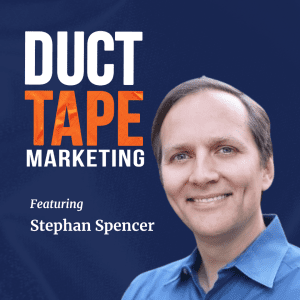
1. Stephan Spencer-Mastering SEO in the Age of AI

Stephan Spencer is an SEO pro, founder of Net Concepts, and host of the podcasts Get Yourself Optimized and Marketing Speak. In this episode of the Duct Tape Marketing Podcast, Spencer and I dig into how AI is changing the game for SEO and what you can do to keep up.

Biggest takeaway:

SEO in 2024 is all about adapting to AI. Spencer shares how to use AI tools to create better content, optimize your site, and stay ahead of the competition. Whether you’re an SEO veteran or just trying to boost your online presence, his advice will help you navigate this evolving landscape and set your business up for success.

Click here to listen to the episode.


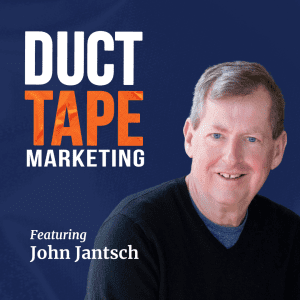
2. John Jantsch  – Unlocking the Secrets to Premium Pricing in Professional Services

Pricing professional services can feel tricky—unlike products, services are intangible, and their value can vary from client to client. In this episode of the Duct Tape Marketing Podcast, I dive into the strategies that help businesses charge premium prices by focusing on solutions instead of just selling services.

Biggest takeaway:

It all starts with messaging. To charge a premium, you need to clearly communicate the problem you solve and show clients you truly understand their challenges. From there, it’s about standing out with a unique approach, building trust through personalization, and offering productized packages that make your services easy to understand and buy.

I also explore how to create long-term relationships and shift to a scalable, recurring revenue model by delivering consistent value to specific clients.

Click here to listen to the episode.


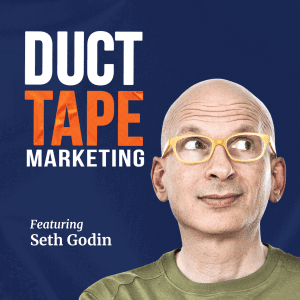
3. Seth Godin – How to Build Game-Changing Strategy by Choosing Your Customers and Competition

I had the pleasure of chatting with Marketing Hall of Famer and longtime friend of the show, Seth Godin, on this episode of the Duct Tape Marketing Podcast. Godin, known for his groundbreaking ideas on marketing and entrepreneurship, joined me to dive into my favorite topic—strategy. We explored how both businesses and individuals can rethink their strategic approach for greater success, drawing from his latest book, This Is Strategy: Make Better Plans.

Biggest takeaway:

Strategy isn’t just a step-by-step plan—it’s a philosophy of becoming. Godin explains how understanding systems, intentionally choosing your customers and competitors, and approaching strategy with empathy can transform how you operate.

In our conversation, Godin challenges conventional ideas, emphasizing the role of empathy—not just kindness—in decision-making. By truly understanding your customers and the systems they navigate, you can create stronger, longer-lasting connections. He also highlights the power of intentionally choosing who you serve and compete with, helping businesses escape commoditization and focus on delivering unique value.

Click here to listen to the episode.


4. Hortense le GentilUnlocking Your Leadership Potential

Hortense le Gentil is an executive leadership coach, speaker, and author with over 30 years of experience helping CEOs and senior executives become more authentic and empathetic leaders. In this episode of the Duct Tape Marketing Podcast, we explore what it takes to evolve from being a “hero” leader to a truly “human” one.
Biggest takeaway:

Great leadership isn’t about having all the answers—it’s about leading with authenticity, empathy, and vulnerability. Hortense shares practical tips for overcoming mental blocks, connecting with your team on a deeper level, and unlocking your full leadership potential.

If you’re looking to grow as a leader and inspire those around you, this episode is packed with insights to help you thrive in today’s fast-changing world.

Click here to listen to the episode.


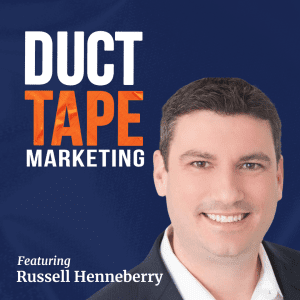
5. Russell Henneberry –From Subscribers to Revenue: A Tactical Guide To Mastering Newsletters

Russell Henneberry is a digital marketing pro, speaker, and founder of The Clikk newsletter. In this episode of the Duct Tape Marketing Podcast, Henneberry and I talk about the power of email newsletters and how they’ve made a big comeback as a must-have tool for marketers.


Biggest takeaway: 

Email newsletters are more than just a way to stay in touch—they’re a goldmine for driving revenue. Henneberry shares how to create newsletters that balance valuable content with smart calls to action, keeping your audience engaged while strategically guiding them to take the next step.

We also dive into ways to monetize newsletters, from ads and consulting to info products, and why focusing on metrics like open rates and subscriber quality is key to success.

Click here to listen to the episode.


6. Jay BaerHow to Navigate the New Era of Customer Expectations

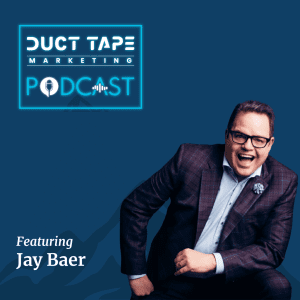
In this episode of the Duct Tape Marketing Podcast, I had a fascinating conversation with Jay Baer, a business growth expert, customer experience researcher, and 7th-generation entrepreneur. Jay, the author of seven bestselling books and founder of six multi-million dollar companies, shares insights from his latest book, The Time to Win: How to Exceed Your Customers’ Need for Speed.
Biggest takeaway:

Jay’s research reveals that two-thirds of customers now value speed as much as price. Saving your customers time is a surefire way to earn their loyalty, while wasting their time can cost you financially. In today’s fast-paced world, speed and responsiveness are essential for delivering exceptional customer experiences and driving revenue growth.

Jay breaks down the six-part “Time to Win” framework, offering actionable strategies for prioritizing speed within your organization and securing a competitive edge.

Click here to listen to the episode.


7. Ryan Deiss – Crushing the Founder’s Curse: Unlocking Business Value Beyond Yourself

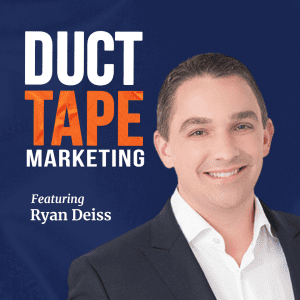
Ryan Deiss, founder of DigitalMarketer.com and a serial entrepreneur, joins me on the Duct Tape Marketing Podcast to share insights from his latest book, Get Scalable: The Operating System Your Business Needs to Run and Scale Without You. In this episode, we dive into strategies for overcoming the Founder’s Curse and creating a business that thrives beyond the founder’s involvement.
Biggest takeaway: 

To truly scale your business, you need to break free from being indispensable. Ryan shares practical strategies for building value engines, establishing strategic rhythms, and creating high-output teams that can drive growth without constant founder oversight. He also discusses how to map value creation flows and implement effective meeting rhythms to keep your business running smoothly and sustainably.

Click here to listen to the episode.


8. Kate Bradley Chernis – How To Produce Better Content With Collaborative AI

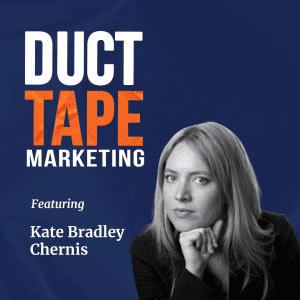
In this episode of the Duct Tape Marketing Podcast, I had the pleasure of chatting with Kate Bradley Chernis, former rock and roll DJ turned founder and CEO of Lately AI. With over 20 years of experience in media and marketing, Kate shares her unique perspective on the evolution of content marketing and how AI is reshaping the industry.

Biggest takeaway:

Content marketing is evolving, and the key to success lies in blending human creativity with the power of AI. Kate shares actionable strategies for cutting through content clutter, crafting personalized social media messaging, and leveraging AI to boost engagement while navigating challenges like data privacy.

Click here to listen to the episode.


9. Amanda HolmesWalking Billboards and QR Codes

In this episode of the Duct Tape Marketing Podcast, I had the pleasure of speaking with Amanda Holmes, CEO of Chet Holmes International. A true innovator in sales strategy, Amanda shares how she doubled her company’s sales by 1176% in her first year and dives deep into the transformative power of the Dream 100 strategy and other unconventional marketing tactics.
Biggest takeaway:

Amanda explains how the Dream 100 strategy, a proven method developed by her father while working with Charlie Munger, focuses on targeting a select group of high-value prospects to drive exponential growth. She also shares creative marketing approaches, like walking around trade shows with a four-foot billboard and strategically placed QR codes, to seamlessly blend offline and online efforts for maximum impact.

Click here to listen to the episode.


10. Andrew GuttormsenHow to Build Game-Changing Strategy by Choosing Your Customers and Competition

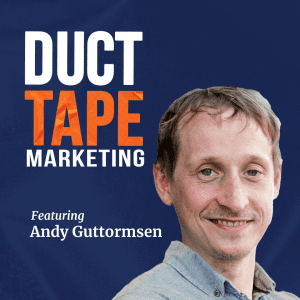
In this episode of the Duct Tape Marketing Podcast, I sat down with Andrew Guttormsen, co-founder of Circle, the all-in-one platform for professional creator communities and world-class brands. With experience as the former VP of Growth at Teachable, Andrew has a wealth of knowledge in courses, memberships, and building growth marketing teams. Together, we explored what makes platinum communities thrive, from onboarding excellence to long-term member retention.

Biggest takeaway:

A thriving online community goes beyond the platform—it’s about fostering engagement, delivering value, and retaining members for the long haul. Andrew shares how platinum communities, like Oprah’s on Circle, use signature gatherings, seamless onboarding, and consistent value delivery to build lasting connections and keep members invested.

Click here to listen to the episode.

We love reviews!

Is your favorite episode on the list? If not, we’d love to hear which one you enjoyed listening to the most!

For our podcast audience, we can’t thank you enough for your support over the years! If you like the show, click on over and subscribe and if you love the show give us a review on  iTunes, please!


The Top 10 Duct Tape Marketing Podcast Episodes for 2020

The Top 10 Duct Tape Marketing Podcast Episodes for 2020 written by John Jantsch read more at Duct Tape Marketing

2020 was an unpredictably eye-opening year that brought forth swift change, lots of uncertainty, and a shift in perspective for many. Even though 2020 immediately conjures words like “challenge,” “hardship” and “crisis,” there are many lessons learned that will impact and shape the future of business and small business marketing moving forward.

I chatted with some incredible guests on the Duct Tape Marketing Podcast. I wanted to take a look back at the most popular episodes we aired in 2020.

If you enjoyed what you heard here, check out the full line-up of shows.

Tim Staples – Creating Shareable Content for Your Busines

Tim Staples is the CEO of Shareability and co-author of Break Through the Noise: The 9 Rules to Capture Global Attention. Staples has developed a reputation in the marketing industry for being a creator of viral content. In the past few years, several of his video campaigns have amassed more than five billion views, and 35 of them have landed on the first page of YouTube.

Biggest takeaway: Today everybody has a megaphone. But now that everybody has a megaphone, they’re shouting into it all day long, every day, to the point where most people have tuned almost all of it out. You’ll hear from Staples on the five positive emotions that are the most effective in content to get people to lean forward and share: happiness, awe, curiosity, empathy, and surprise.

Click here to listen to the episode.

Michael Margolis – Storytelling Around Disruption and Innovation

Michael Margolis is the CEO and founder of Storied. Storytelling has become a business buzzword of late, but there’s a lot of complexity behind the term. Margolis’ focus is specifically on storytelling as it relates to disruption and innovation. It’s often hard to tell stories about change—audiences grow wary or defensive—but Margolis helps leaders in Silicon Valley and other hotbeds of innovation make that change feel exciting and achievable.

Biggest takeaway: We are taught to lead with data and conclusions. But if you lead with data, the story is dead on arrival. Margolis shares his three-step narrative framework that will help you capture your audience’s imagination, attention, and relate to your story about what you’re selling.

Click here to listen to the episode.


Alison Levine – How to Treat an Opportunity Like Your One Big Break

alison levine

Alison Levine is a leadership expert, polar explorer, and mountaineer who is no stranger to extreme environments. She has survived sub-zero temperatures, hurricane-force winds, sudden avalanches, and a career on Wall Street. She is one of the most in-demand keynote speakers, delivering resounding leadership messages that transcend her extreme climbing expeditions and remain relevant in today’s fast-paced business environments. She is able to draw relevant, authentic parallels between mountaineering and business because she has experienced both first hand—on multiple mountains, in multiple organizations, and in multiple industries.

Biggest takeaway: Alison Levine shares her story of starting her journey at 30. Levine shares how progress happens when you get uncomfortable, and how to treat an opportunity like it’s your one big break.

Click here to listen to the episode.

Steven M.R. Covey – Timeless Habits for Cultivating Success

Steven M. R. Covey is the former CEO of the Covey Leadership Center, where he helped his father, Stephen R. Covey, launch his classic book, The 7 Habits of Highly Effective People. He is also a New York Times and #1 Wall Street Journal bestselling author himself. His book, The Speed of Trust, is designed to help leaders build a collaborative team and environment on the basis of trust.

Biggest takeaway: Steven M.R. Covey shares his insights on why it’s so important for people to feel understood, how a paradigm shift can change your reality, why spirituality doesn’t need to be religious, and how it can help you in challenging times.

Click here to listen to the episode.

Ben Shapiro – Uncovering New Possibilities in the World of Marketing

Ben Shapiro got his start at eBay, where he served as their manager of business development and SEO. He then went on to found his own business and run marketing for a number of early-stage startups. In more recent years, he transitioned into marketing strategy consulting and now runs several popular podcasts, including the MarTech Podcast and Voices of Search

Biggest takeaway: Shapiro shares why companies should consider getting into a content business. what really matters when it comes to creating a successful podcast (or great content in any format), and how to approach going independent whether that’s the next big step in your career, or you’re doing it for the time being.

Click here to listen to the episode.


Seth Godin – Tips of the Trade with Seth Godin

Seth Godin

Seth Godin is an entrepreneur, best-selling author, and speaker. In addition to launching one of the most popular blogs in the world, he has written 19 best-selling books, including The Dip, Linchpin, Purple Cow, Tribes, and What To Do When It’s Your Turn (And It’s Always Your Turn). His most recent book, This is Marketing, was an instant bestseller in countries around the world.

Biggest takeaway: You’ll get insights from best-selling author, teacher, and entrepreneur Seth Godin about what it takes to create a successful podcast and produce one at that, the difference between the homemade and the professional approach to media production, and where conferences will stand on being relevant in today’s world.

Click here to listen to the episode.


Kara Goldin – How to Find Inspiration in Doubt

kara goldin

Kara Goldin is the founder and CEO of Hint Water, a flavored water brand founded in 2005. She is also the author of Undaunted: Overcoming Doubts and Doubters. Kara is an active speaker, writer, and host of the podcast Unstoppable with Kara Goldin where she interviews founders, entrepreneurs, and other disruptors across various industries.

Biggest takeaway: Don’t let anyone crush your dreams! Kara Goldin shares her story about the incredible risks she took and how she overcame huge challenges in founding Hint amidst all of the doubt from herself and others.

Click here to listen to the episode.

Solo Show – Google Analytics Simplified for Small Business

john jantsch

Closing the loop on your marketing investment, on your channels, on your customer engagement, are important. This allows you to focus, spend less money, and invest in what really works. I work with a lot of small business consultants and small business clients and this is one of the biggest challenges to get them excited about. It’s a lot like telling people they need to like math. Especially when you go to this tool, one that I believe is one of the best tools on the planet, and it’s free, but it’s really easy to get lost. In this podcast, I’m going to spend some time trying to simplify this.

Biggest takeaway: You’ll learn why you should care about Google Analytics, how to set it up, and what goals you should have when you set it up.

Click here to listen to the episode.

Todd Henry – How Motivation Can Drive You to Produce Your Best Work

Todd Henry

Todd Henry is the founder of Accidental Creative, and author of The Accidental Creative as well as Die Empty. Todd Henry’s latest book he wrote with Rod Penner, Todd W. Hall, Ph.D., and Joshua Miller, Ph.D. – The Motivation Code: Discover the Hidden Forces That Drive Your Best Work.

Biggest takeaway: Todd Henry has created a new framework for understanding what motivates us and why. Henry shares tips on how you can use your motivation to produce your best work.

Click here to listen to the episode.

Shaina Weisinger – Repurposed Content Can Increase Your Traffic 300%

Shaina Weisinger is the CEO of Repurpose House. Shaina Weisinger is an expert in social media marketing, specifically optimizing content through repurposing. Repurpose House takes all of the content your business produces and adds the social media bells and whistles. They trim video and audio, create text motion videos of blog highlights, add headlines, captions, size them for all platforms, and more.

Biggest takeaway: You’ve spent effort and time creating content, you should get the most out of it. Shaina Weisinger shares how you don’t always have to reinvent the wheel, and you can use repurposed content to increase your traffic significantly.

Click here to listen to the episode.


Is your favorite episode on the list? If not, we’d love to hear which one you enjoyed listening to the most!

For our podcast audience, we can’t thank you enough for your support over the years! If you like the show, click on over and subscribe and if you love the show give us a review on iTunes, please!

The Top 10 Duct Tape Marketing Podcast Episodes for 2019

The Top 10 Duct Tape Marketing Podcast Episodes for 2019 written by John Jantsch read more at Duct Tape Marketing

2019 was another great year on the Duct Tape Marketing Podcast. I chatted with some incredible guests, I did some solo shows where I could share a bit about the Duct Tape Marketing philosophy, and I got to share excerpts from my latest book, The Self-Reliant Entrepreneur, which was released in October.

In honor of an incredible year, I wanted to take a look back at the most popular episodes we aired in 2019.

If you enjoyed what you heard here, check out the full line-up of shows. We’ll be back the first full week in January with all new episodes and guests.

Pamela Wilson – Getting the Most Out of Your Content

Pamela Wilson is the founder of BIG Brand System and the author of Master Content Strategy: How to Maximize Your Reach and Boost Your Bottom Line Every Time You Hit Publish. She is an expert in creating the kind of content that grabs your audiences’ attention and can help you grow your business through the four distinct phases of growth.

Biggest takeaway: You’ll learn about the Lifecycle Approach to content management and creation, which acknowledges that your website will have different content needs at different points in the life of your business.

Click here to listen to the episode.

Solo Show – The Benefits of Including Video on Your Website

Video has become a critical element in marketing strategy. People want to watch video content, and companies are investing in creating videos for their brand. If you haven’t done it already, now is the time for you to incorporate video into your website.

Biggest takeaway: We’ll cover the four types of video content you should include on your website. Plus I’ll share practical, technical tips for video content creation, from how to manage lighting and camera work to where to turn for editing help.

Click here to listen to the episode.

Solo Show – Model for Marketing Maturity, Stage One: Build

Digital marketing provides business owners with dozens of channels through which to reach their audience. From paid ads to social media to SMS marketing to SEO, it’s easy to feel overwhelmed by the options out there. By starting with a solid foundation and a focus on only a handful of the tactics available, you can get those going strong and then expand to more tactics.

Biggest takeaway: We’ll walk through the five elements that go into the build stage of your marketing maturity model, from the creation of your marketing website with SEO and a strong content program, to social media and email marketing. Plus, you can follow the links in this podcast post to catch the episodes on the other two marketing maturity stages, grow and ignite.

Click here to listen to the episode.

Solo Show – Why Your Marketing Must Be Led By Strategy First

One of the main tenets of the Duct Tape Marketing approach to marketing is that your efforts must be led by strategy first. If you’re creating content without a guiding strategy, you’re spinning your wheels. These are the steps you must take to build a solid strategic base for your marketing tactics.

Biggest takeaway: You’ll learn why the first step in developing a solid marketing strategy is identifying your ideal customer, and I’ll give you tips on how to find them.

Click here to listen to the episode.

Jason Kander – Becoming a Great Leader, No Matter What Field You’re In

Jason Kander

Jason Kander served in the U.S. military as an Army Captain before transitioning into politics. He was elected to the Missouri House in 2008 and became the Missouri Secretary of State in 2009. He is also the author of the New York Times bestselling book, Outside the Wire: Ten Lessons I’ve Learned in Everyday Courage.

Biggest takeaway: You’ll hear a handful of lessons from Kander’s book – lessons that are takeaways from his time in the military. And while the stories come from Army life, they’re applicable to anyone in a position of leadership.

Click here to listen to the episode.

Matt Scanlon – Managing an Expanding Business, With Your Mission Guiding the Way

Matt Scanlon is a fellow Kansas City business owner. He runs The Hill KC, which began as a local CrossFit gym and has expanded to offer corporate wellness products and services to folks in the community who have disabilities or need help getting access to wellness services.

Biggest takeaway: You’ll hear from an entrepreneur who’s going through the tricky but exciting work of growing his business. Scanlon shares some of the struggles he’s come up against with respect to branding and bridging the gap between the different audiences he’s expanding to serve.

Click here to listen to the episode.

Paul Jarvis – Finding Success and Happiness as a Company of One

Paul Jarvis is a writer and designer who runs his own business and counts among his clients giants like Mercedes Benz, Microsoft, and Shaquille O’Neal. He discusses how to approach the big questions about how to grow your business so that you can build something sustainable that continues to bring you joy.

Biggest takeaway: When you decide it doesn’t make sense to scale, what do you do next? Paul Jarvis is happy as a company of one, and he shares tips for finding your own path as a solopreneur.

Click here to listen to the episode.

Jill Nelson – Growing Your Business While Growing as an Entrepreneur

Jill Nelson is the founder and CEO of Ruby Receptionists. The company provides virtual receptionist services across the U.S., and it regularly lands on “best of” lists as an employer and a service provider.

Biggest takeaway: When you found a company, your role as a leader doesn’t remain stagnant. It grows and changes as your business does the same. Nelson shares her own experience in scaling her business in the episode.

Click here to listen to the episode.

Neen James – The Benefits of Giving Intentional Attention

Neen James is an author, keynote speaker, and leadership expert. She believes that the key to building strong relationships with teammates and customers alike is being intentional in the way you give attention. She is the author of Attention Pays: How to Drive Profitability, Productivity, and Accountability.

Biggest takeaway: When you’re not paying attention, it can cause big problems in your business. Customers and good employees who feel overlooked go elsewhere. James shares why it’s important to give intentional attention to the people who matter most to your company.

Click here to listen to the episode.

James Fell – Setting the Stage for a Moment of Awakening

James Fell

James Fell is a health expert and the author of several books, including The Holy Sh!t Moment: How Lasting Change Can Happen in an Instant. As a college student, Fell was overweight, floundering in school, and struggling with money. A moment of sudden awakening changed the course of his life. And he wants to help you find your life-changing epiphany, too.

Biggest takeaway: Even if you’re in a bad spot in your life, you won’t necessarily be motivated to change. Fell walks us through the psychological principles at work that lead us to those epiphanies that can change the course of our lives.

Click here to listen to the episode.

Is your favorite episode on the list? If not, we’d love to hear which one you enjoyed listening to the most!

For our podcast audience, we can’t thank you enough for your support over the years! If you like the show, click on over and subscribe and if you love the show give us a review on iTunes, please!

The Top 5 Duct Tape Marketing Podcast Episodes for 2018

The Top 5 Duct Tape Marketing Podcast Episodes for 2018 written by John Jantsch read more at Duct Tape Marketing

In 2018, I had the opportunity to speak with an amazing group of guests on the Duct Tape Marketing Podcast. As the year draws to a close, I wanted to take a look back and share with you the five interviews with the highest number of downloads for the year.

If you enjoyed what you heard here, check out the full line-up of shows. We’ll be back the first week in January with all new episodes and guests.

Joey Coleman – How to Attract Customers and Keep Them Forever

Joey Coleman

Joey Coleman is a marketing expert and the Chief Experience Composer at Design Symphony. He has an eclectic background that includes selling custom research to Fortune 500 executives, racing along the Great Wall, juggling in front of the Taj Mahal, and singing a solo at the Kennedy Center. He’s the author of Never Lose a Customer Again: Turn Any Sale Into Lifelong Loyalty in 100 Days.

Biggest takeaway: Retention is really the key to your business’s longterm success. If you’re able to get involved in the customer journey earlier and stick around for longer, you can convince all of your first-time customers to become loyal, repeat ones.

Click here to listen to the episode.

Petra Kolber – Letting Go of Perfection in Order to Reach Your Goals

Petra Kolber

Petra Kolber is an expert in positive psychology and fitness. She has worked with the likes of Nancy Kerrigan, Dana Torres, and George Foreman and served as a consultant to companies including Reebok, Adidas, and Gatorade. She’s also the author of The Perfection Detox: Tame Your Inner Critic, Live Bravely, and Unleash Your Joy.

Biggest takeaway: When we attach negative emotions to the concept of perfection, striving for it can paralyze us. But when we give up the idea of being perfect and make small, sustainable changes to create new habits around our thinking, we can achieve great things.

Click here to listen to the episode.

Garrett Moon – How to Create Content that Stands Out and Gets Results

Garrett Moon

Garrett Moon is the CEO and co-founder of CoSchedule, the web’s most popular marketing calendar and the fastest growing startup in North Dakota. He’s also the author of 10x Marketing Formula: Your Blueprint For Creating ‘Competition-Free Content’ That Stands Out and Gets Results.

Biggest takeaway: When creating content, you need to get specific about the problem you solve for your customer and define the one specific action you’d like them to take as a result of consuming the content. When you do that, you’ll create content that leads customers to associate the solution of their problem with your brand.

Click here to listen to the episode.

Mike Blumenthal – How to Help Your Local Business Get Found Online

Mike Blumenthal is the undisputed king of local SEO. He is the owner of Blumenthals, one of the founders of Local U and GetFiveStars, a review service that helps local businesses.

Biggest takeaway: Proximity, prominence, and relevance are the three major determining factors in how you rank in Google search results. Blumenthal covers the ins and outs of how to give your business the best shot at dominating local search and making sure you get found.

Click here to listen to the episode.

David Mihm – Tips for Attracting Local Clients

David Mihm is a digital marketing expert for small businesses, co-founder of GetListed.org (now part of Moz Local), and founder of Tidings. He previously served as Moz’s Director of Local Search Strategy, where he led the development of Moz Local.

Biggest takeaway: Google’s search results are now comprehensive enough where a customer theoretically doesn’t need to visit your website to do business with you—they can get all the information they need to complete a transaction from Google. This is why optimizing your presence on Google is critical, and Mihm shares tips on how to get the best results for your business.

Click here to listen to the episode.

Is your favorite episode on the list? If not, we’d love to hear which one you enjoyed listening to the most!

For our podcast audience, we can’t thank you enough for your support over the years! If you like the show, click on over and subscribe and if you love the show give us a review on iTunes, please!